Applications and interviews · 6 min read
Finding agriculture jobs in South Africa
Separate farm, research and public service roles and verify the location, season and employer.
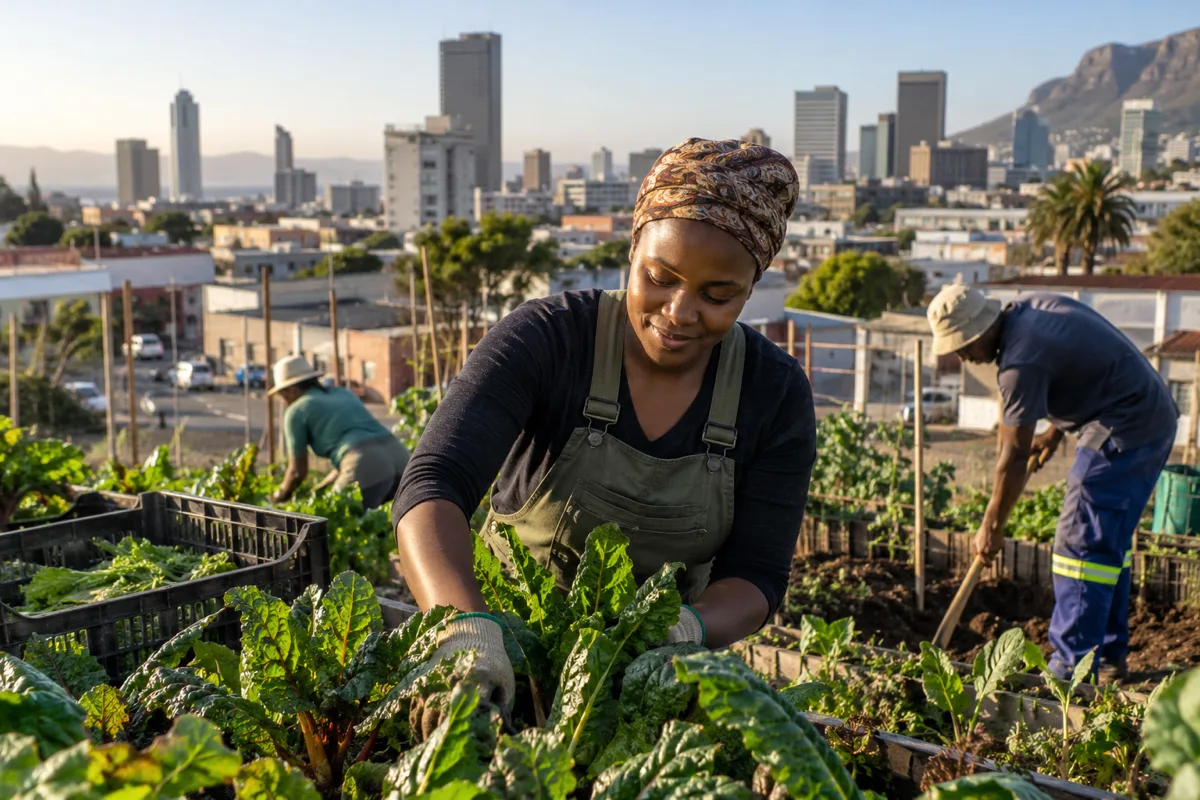
Agriculture includes work on farms, in packhouses, laboratories, research stations, logistics teams and public services. A single job search therefore needs more than the word farm. In South Africa a seasonal field role, an Agricultural Research Council position and a Department of Agriculture post have different employers, application routes and expectations. Start by naming the actual function and place, then show evidence relevant to that work. This guide helps you avoid confusing a training opportunity, a research post and a short seasonal contract.
Choose the part of the sector you want to enter
Farm operations may involve planting, harvesting, animal care, irrigation or equipment. Packhouse work may involve grading, hygiene, traceability and dispatch. The Agricultural Research Council describes scientific research and graduate development, while the Department of Agriculture advertises its own public posts. These routes require different qualifications and kinds of evidence. A candidate with practical field experience should not assume it substitutes for a laboratory degree, and a graduate should not assume a degree alone proves readiness for physical site work.
Read the vacancy line by line for the crop, location, season, shift and tools. Ask whether the post is on one farm or involves travel between sites. If the advert uses a broad title such as agricultural assistant, identify the daily tasks and supervisor. A farm, research council and government department may all discuss agriculture, but you apply to the entity named on each original posting. Save the exact advert and reference before preparing your CV.
Use official sources and recognise a live opening
The Department of Agriculture has a vacancies page with current job notices and its instructions; the Agricultural Research Council has a separate external vacancy route. Public service roles may also appear in the DPSA circular. Check the date and deadline on the individual notice. A page that describes a graduate programme is useful background but does not prove that applications are open today. For private farms and exporters, use the company's own website or a verifiable recruitment contact rather than a forwarded poster without a legal employer.
Search by place and task, not only by sector. A field technician role may be in a research institute, a quality role in a packhouse and a logistics role at an exporter. If a recruiter asks you to send an identity document to an unfamiliar address, confirm the role through the employer's official site first. Work.net.za links to original sources and does not charge job seekers. Do not pay for a place on an alleged farm list or a promised transport seat before a genuine employment offer exists.
Present measurable work without inventing yields
In a CV, describe the area, equipment, procedures and records you actually handled. You might have checked irrigation lines, recorded observations, sorted produce to specification or reconciled dispatch quantities. Explain how you noticed a deviation and reported it. Avoid claiming that you raised output by a percentage unless you have a reliable record and can explain your contribution. Safety and traceability matter in many agricultural settings; show the practice, not just the phrase safety conscious.
For research, identify the method, sample handling, data checks and whether you worked independently or under supervision. For a graduate route, connect your coursework or field project to the research problem. For a public post, follow the exact form and attachments in the current advert. The Department of Agriculture's notices can specify a Z83 and supporting evidence. Do not reuse one application pack blindly across farm, council and government posts. Put the most relevant experience near the top and state qualification status accurately.
Check conditions that matter in a rural job
A written offer should name the employer, worksite, contract term, basic pay, hours, leave and any accommodation or transport arrangement. A seasonal role can end after a defined period; ask how the end date and notice work rather than assuming renewal. If accommodation is offered, ask whether it is part of the employment arrangement, what it costs and what happens when the job ends. Test the travel route to the actual site. The nearest town in an advert may be far from the farm gate.
Read the Basic Conditions guidance for general terms, subject to the applicable arrangement. Ask who supplies protective equipment, drinking water and training for machinery or chemicals where relevant. Do not claim competence with equipment you have not been trained to use. If an agency supplies workers to a farm, know which entity pays and handles problems. Keep the advert and contract. A small salary difference may be outweighed by accommodation deductions, transport cost or a much shorter season.
Plan a route from one season to the next
A seasonal role can build credible evidence if you record tasks, supervisors and what you learned. Ask whether the employer will confirm your work and whether training or longer assignments are possible. A packhouse worker might progress toward quality control; a field assistant toward irrigation maintenance; a graduate toward a research placement. These routes are different, so choose training tied to the next job you actually want. The Agricultural Research Council's career pages can help you understand research and graduate pathways.
Keep a list of verified employers and check openings on a schedule. Do not infer that a vacancy is current because it appears in an archive. If applications fail, compare the essential location, qualification and experience with your evidence. Build the missing skill through legitimate work or recognised training instead of buying a certificate offered by an intermediary. A durable agriculture career starts with accurate records, safe practice and a clear understanding of who employs you in each role.
Sources and further reading
Explore this topic
Frequently asked questions
Are farm jobs and ARC research jobs the same route?
No. They have different employers, duties and qualification requirements; read each advert.
Can seasonal work go on my CV?
Yes. State the actual dates, task and employer and avoid implying it was a permanent role.
Do public agriculture posts require a Z83?
Follow the current individual notice. Department posts can require that form and other specified evidence.
Should I pay to join a farm recruitment list?
No. Verify the employer and original vacancy first.